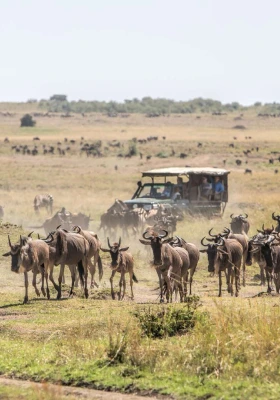





Enailepu Tours was exceptional, it made our safari in Maasai Mara incredible with lots of unforgettable experiences. Evans picked us in Nairobi, the Land cruise was nice. The experience of the tour guide made our safari memorable, we managed to see all the big five. The most exciting was the lions and the cheetah hunting, this is what I longed to see in my life. Evans made this come true. The Maasai Culture was also memorable. I recommend Enailepu for your Safaris.
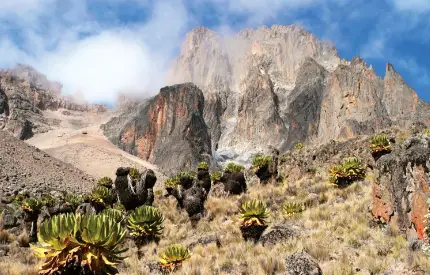
I had the most unforgettable safari experience with Enailepu Tours! We explored the stunning Mara North and Lemek Conservancies, and I was absolutely amazed. The landscapes were breathtaking, and the wildlife sightings were beyond anything I imagined. From lions to elephants, every moment felt magical. Our guide Evans, was not only knowledgeable but also super friendly and passionate, which made the whole journey even more special. Highly recommend!

My family and I went on a game drive at Maasai Mara National Park in Kenya with Evans as our tour guide, and the experience was excellent. He offered very reasonable rates and delivered a truly authentic wildlife experience. He also organizes tours to many other destinations across Kenya, not just the Maasai Mara. Evans knows the wilderness extremely well. He understands the best routes, common animal locations, and the ideal times for sightings.

Two excellent guides . I have veen coming to Africa various places such as Botswana,Zambia,Zimbabwe,S.Africa, Tanzania each year for the past 35 years but never experienced such a wonderful safari like this. They just could smell the animals and spent all their time spotting . We had some anazing experiences with lions,Cheetahs Leopords,Buffalos,Hyenas etc just in two days . Even saw a buffalo kill . Recommend them at any time. Coming back again and using them

We had unforgettable experience in the Mara. Enailepu tours provided the best services, and excellent tour guides. They understand Maasai Mara very well; we managed to see the big 5 within few hours into the national reserve. I highly recommend him for your excellent at the Mara with affordable rates



Enailepu Tours was exceptional, it made our safari in Maasai Mara incredible with lots of unforgettable experiences. Evans picked us in Nairobi, the Land cruise was nice. The experience of the tour guide made our safari memorable, we managed to see all the big five. The most exciting was the lions and the cheetah hunting, this is what I longed to see in my life. Evans made this come true. The Maasai Culture was also memorable. I recommend Enailepu for your Safaris.
I had the most unforgettable safari experience with Enailepu Tours! We explored the stunning Mara North and Lemek Conservancies, and I was absolutely amazed. The landscapes were breathtaking, and the wildlife sightings were beyond anything I imagined. From lions to elephants, every moment felt magical.